Why Is a Regular PF Balance Check Important for Keeping Track of Savings?
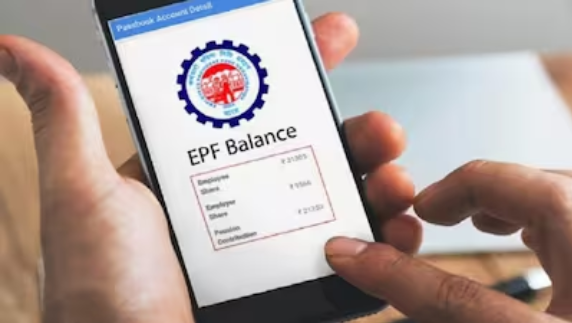
In India, one of the most effective savings instruments for salaried individuals is the Provident Fund (PF). Managed by the Employees’ Provident Fund Organization (EPFO), PF offers financial security by requiring employees and employers to contribute a fixed percentage of monthly wages. While savings accumulate over time, keeping track of your PF balance is crucial for understanding your financial position, retirement planning, and other monetary decisions. This article delves into why regularly checking your PF balance is a vital habit and how it significantly affects your personal finances, tax planning, and withdrawal strategies.
PF Balance Check: A Perspective on Financial Clarity
A PF balance check refers to verifying the total amount accumulated in your Provident Fund account. Employees and employers contribute a total of 24% of the employee’s monthly basic salary — 12% from each side — to the EPF account. For instance, if your basic pay is ₹25,000 per month, your monthly PF contribution amounts to ₹3,000, while your employer also deposits ₹3,000. Over a year, the PF balance grows to ₹72,000 — excluding interest.
A regular PF balance check is essential because:
- Accurate Understanding of Savings Growth:
The compound interest on PF contributions adds to your savings, creating long-term wealth. For the fiscal year 2022–2023, the EPFO offered an interest rate of 8.15% per annum. Using simple calculations, if your PF balance is ₹1,00,000 at the beginning of the year, the annual interest adds ₹8,150 to your account. Regular checks help you confirm these earnings and ensure no discrepancies in contributions or interest calculations.
- Error Identification:
Mistakes in the employer’s contributions or delays can lead to errors in PF amounts. Checking your PF balance periodically ensures that both your and your employer’s contributions are being credited correctly without any lapses.
- Monitoring Tax Implications:
PF withdrawals often attract tax liability, especially if funds are withdrawn before five continuous years of service. The Income Tax Department imposes TDS (Tax Deducted at Source) on PF withdrawals under Section 192A of the Income Tax Act. TDS is applicable when withdrawal exceeds ₹50,000 and the employee has not completed five years of service. Regular PF balance checks allow individuals to strategize their withdrawals, minimize taxes, and ensure compliance with these regulations.
How To Check PF Balance?
You can check your PF balance using multiple methods. The EPFO provides easy and accessible options such as:
– UMANG App: Users can download the UMANG App and enter their UAN (Universal Account Number) to check their PF balance.
– EPFO Portal: Provident Fund members can log in to the EPFO portal with their UAN and password to access account details.
– SMS Services and Missed Call Facility: EPFO members can retrieve PF balance details by sending an SMS or giving a missed call from their registered mobile number.
Impact of Regular PF Balance Check
- Retirement Planning:
The Provident Fund serves as a financial safety net during post-retirement years. By regularly checking your savings, you can chart a more realistic retirement plan and evaluate whether you need to supplement your PF corpus with other investment options.
- Emergency Preparedness:
Funds accumulated in your PF account can be partially withdrawn for specific purposes such as medical emergencies, marriage, or home loans. Regular checks ensure you are aware of the amount available and facilitate faster planning during times of need.
- Improved Liquidity Awareness:
Keeping track of the amount in your PF helps you stay informed about your liquid savings. The balance can be crucial when assessing your overall financial health or deciding on short-term investments.
- Tax Planning and Withdrawal Timing:
Unplanned withdrawals from a PF account attract tax implications that could reduce your savings due to TDS and other levies. For instance, if your PF withdrawal is ₹70,000, and you haven’t completed five years of service, a TDS of 10% (₹7,000) will be deducted if you have submitted your PAN details. This deduction rises to 20% if PAN is not furnished. By consistently checking your balance, you can plan withdrawals better, avoid unnecessary taxes, and maximize savings.
Scenario Calculations: PF Growth Over Time
To understand the financial benefits of PF contributions over time, let us look at an example:
– Monthly Basic Salary: ₹30,000
– Monthly Employee Contribution to PF: 12% of ₹30,000 = ₹3,600
– Monthly Employer Contribution to PF: 12% of ₹30,000 = ₹3,600
– Total Monthly PF Contribution: ₹7,200
Assuming an annual interest rate of 8.15%, and ignoring withdrawals:
– Year 1 PF Accumulation: ₹7,200 x 12 = ₹86,400 (contributions)
Interest earned = ₹86,400 x 8.15% = ₹7,026
Total PF Balance = ₹86,400 + ₹7,026 = ₹93,426
– Year 2 PF Accumulation: ₹93,426 (previous balance) + ₹86,400 (new contributions) = ₹1,79,826
Interest earned = ₹1,79,826 x 8.15% = ₹14,652
Total PF Balance = ₹1,79,826 + ₹14,652 = ₹1,94,478
This compounding effect leads to exponential savings growth. Tracking these figures regularly through a PF balance check allows employees to verify calculations and keep an accurate record.
TDS on PF Withdrawal: A Critical Financial Element
As highlighted earlier, premature withdrawals from your PF account often come with tax implications. Here’s how TDS on PF withdrawal works:
– Withdrawal of PF balance after five consecutive years of service is tax-free.
– Withdrawal of PF balance before completing five years is subject to TDS if it exceeds ₹50,000:
– 10% TDS is deducted if PAN details are furnished.
– 20% TDS applies if PAN details are not provided.
However, if your total taxable income falls below the exemption limit, you can submit Form 15G/15H to avoid TDS deductions.
For example:
If your PF balance stands at ₹1,00,000, and you decide to withdraw ₹70,000 before completing five years of service:
– TDS applicable at 10% = ₹7,000 (if PAN is submitted).
– Net withdrawal amount = ₹70,000 – ₹7,000 = ₹63,000.
Regular PF balance checks combined with awareness of TDS rules are indispensable for financial planning and avoiding unnecessary deductions.
PF Balance: Aligning Savings with Life Goals
PF plays an integral role in helping individuals align their savings with broader life goals. Whether saving for retirement, addressing emergencies, or planning significant milestones, your PF balance acts as a reliable source of financial security. Regularly checking this balance enables consistent tracking, reduces risks of errors in contribution, and ensures a clearer picture of your financial health.
Disclaimer
The information presented in this article is for informational purposes only and should not be considered as financial advice. Investors are encouraged to assess all pros and cons before making PF-related decisions or navigating the Indian financial market. Tax rates, rules, and interest rates are subject to change, and individuals should consult a qualified financial advisor for personalized guidance.
Summary
A Provident Fund (PF) balance check is an essential financial habit, especially for salaried employees in India. Regularly checking your PF balance provides clarity about savings growth, ensures accurate contributions, and helps identify errors. It also aids in planning for retirement, managing liquidity for emergencies, and strategizing withdrawals to minimize tax liabilities such as TDS on PF withdrawal. With contributions of 12% of an employee’s basic salary from both employer and employee, compounded at an annual interest rate (e.g., 8.15%), PF savings can grow significantly over time.
For instance, monthly contributions of ₹7,200 can accumulate to ₹1,94,478 in two years, depending upon interest rates. However, premature withdrawals may attract TDS, reducing the final withdrawal amount. Thus, checking your PF balance periodically empowers better financial planning, helps avoid discrepancies, and ensures alignment with long-term goals.