What Is EID Number in Aadhaar Card and Why It Is Important
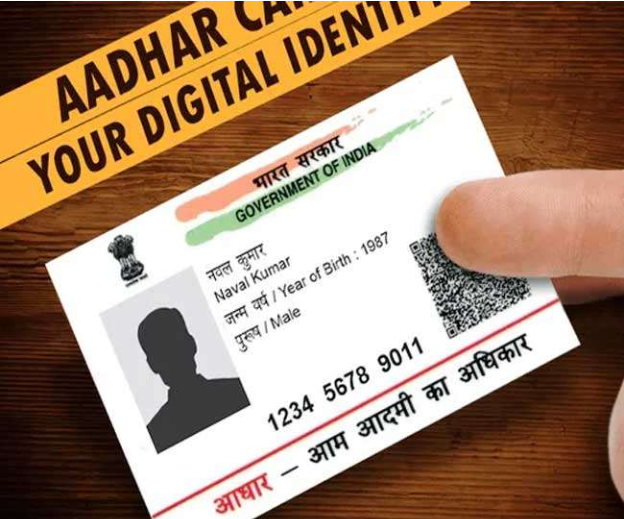
In India, Aadhaar has emerged as one of the most crucial identification documents for residents. Issued by the Unique Identification Authority of India (UIDAI), the Aadhaar card contains a unique 12-digit number that identifies individuals based on their demographic and biometric data. However, during the application or enrollment process, applicants are provided with a unique Enrollment ID, commonly known as the EID number. This article explores what is EID number in Aadhaar card, its significance, and its connection to the Aadhaar ecosystem, while also briefly touching upon secondary topics such as personal loan Aadhaar card usage.
What Is EID Number in Aadhaar Card?
The EID number in Aadhaar card is a temporary identifier allotted to applicants at the time of enrollment. If you are wondering what is eid number in aadhaar card, it refers to the Enrollment ID provided whenever you apply for a new Aadhaar card or request modifications to an existing one. Your EID number serves as a tracking mechanism until your Aadhaar generation or updates are completed. It is essentially a unique 28-digit numeric identifier consisting of two parts:
- 14-digit enrollment number: This signifies the date and time of enrollment.
- 14-digit timestamp: Reflecting the exact time and date of your request submission.
The EID number is prominently displayed on the acknowledgment slip issued to applicants after submitting their Aadhaar card application or update request.
For example:
- Enrollment ID: 1234/56789/00123 202310010101
Having an EID number allows applicants to track the status of their Aadhaar card application or correction online.
Significance of EID Number in Aadhaar Card
The EID number plays a vital role in the Aadhaar issuance process. Here are some reasons why it is important:
Tracking Application Status
The primary purpose of the EID number is to enable applicants to track the progress of their enrollment or update requests. Applicants can use the UIDAI portal to check the status of their Aadhaar generation or correction using the EID number. This minimizes ambiguity regarding the processing timeline and ensures accountability.
Temporary Identification
For individuals waiting for their Aadhaar card, the Enrollment ID serves as temporary proof of their application. While you may not have received your Aadhaar number yet, possessing an EID acknowledges that your information has been submitted for verification to UIDAI.
Document Retrieval
Sometimes, due to technical or human errors, your Aadhaar generation process may experience delays. In such cases, using the EID number ensures seamless recovery or retrieval of your application details. You can re-access and reprint acknowledgment slips or confirm related data through UIDAI’s online systems.
Essential for Aadhaar Updates
The EID number is equally vital when you request corrections, updates, or biometric re-verification for your Aadhaar card. It ensures efficient processing of your request and allows easy tracking of updates.
Personal Loan and Aadhaar Card: Are They Connected?
While discussing Aadhaar card specifics, it is worth underscoring its critical utility in financial transactions, including personal loans. In India, Aadhaar has removed barriers in obtaining financial services, making processes more streamlined and efficient.
Paperless KYC for Personal Loans
When you apply for personal loans, Aadhaar plays a crucial role in fulfilling the Know Your Customer process. It provides lenders with complete demographic and biometric data, eliminating the need to submit numerous physical documents. The convenience of Aadhaar e-KYC can reduce loan approval timelines significantly.
Identity Verification and Fraud Prevention
A personal loan aadhaar card involves a substantial financial transaction, and identity verification remains critical in assessing an applicant’s trustworthiness. The Aadhaar card, backed by biometric data, ensures authenticity and minimizes the risk of fraud.
Future Use for BHIM App and Aadhaar-Based EMI Payments
Thanks to Aadhaar’s connection with India’s digital ecosystem, users can conveniently repay loans using Aadhaar-linked payment platforms such as the BHIM app or UPI-enabled services. This advancement promotes cashless and hassle-free loan repayment methods.
While your personal loan application does not directly involve the EID number, its contribution to Aadhaar generation ultimately connects to financial eligibility verification.
How to Use EID to Track Aadhaar Card Status
If you have enrolled for Aadhaar and received your EID number, tracking your Aadhaar status is straightforward. Follow these steps:
- Visit the official UIDAI website
- Navigate to the enrollment or status section
- Enter your EID number and captcha details
- View Aadhaar generation or update status
Keep your acknowledgment slip safe because the EID number printed on it is essential for future tracking or reference purposes.
Importance of Aadhaar Card for Everyday Needs
Once your Aadhaar application is processed and Aadhaar is issued, it becomes indispensable in various personal, financial, and administrative activities, including the following:
- Government subsidies and welfare schemes
- Faster approval of personal loans and insurance policies
- Identity verification at banks, institutions, and offices
- Linking PAN cards, bank accounts, and mobile numbers
Conclusion
Understanding what is EID number in Aadhaar card and its significance is essential for anyone applying for or updating Aadhaar. The EID number acts as a temporary bridge between your enrollment and successful Aadhaar issuance, functioning as proof of submission, application tracking, and data retrieval purposes. Although the EID number itself is temporary, it forms the foundation for the issuance of your Aadhaar, an indispensable document for identification and verification in India.
Moreover, Aadhaar brings convenience to financial transactions, notably in areas like personal loan applications. It transforms how people access financial services by enabling quick KYC procedures, fraud prevention, and integration into digital payment ecosystems.
Keep your acknowledgment slip with the EID number secured until your Aadhaar card is generated. Once your Aadhaar is issued, it will play a significant role in shaping your financial, legal, and administrative future.